No runway
Vertical take-off and landing from a small clearing, then efficient forward flight for long loiters.
Our flagship: reconnaissance and long-endurance threats on any range.
The Lyrebird VTW-1 takes off and lands like a quadcopter, then flies like a plane, so it needs no runway. It brings the drone that watches, finds and cues attacks to any exercise or trial.
Represents: Orlan-10, Supercam, ZALA and Shark class reconnaissance drones, and larger fixed-wing drones flown smaller and lower.
Before the FPV attacks and the artillery arrive, a reconnaissance drone finds the target and holds over it. Units have to learn to hide from it and report it, and layered counter-UAS has to find and defeat it. Real reconnaissance drones are costly to fly as a threat, and most need a runway or a launcher.
The VTW-1 takes off from a small clearing, flies like a plane for long loiters, and searches and holds over a unit the way the real thing does, on a plan from Lyrebird Mission Software or with mission autonomy. That's why it's our flagship: one drone that can fly on every exercise and every range.
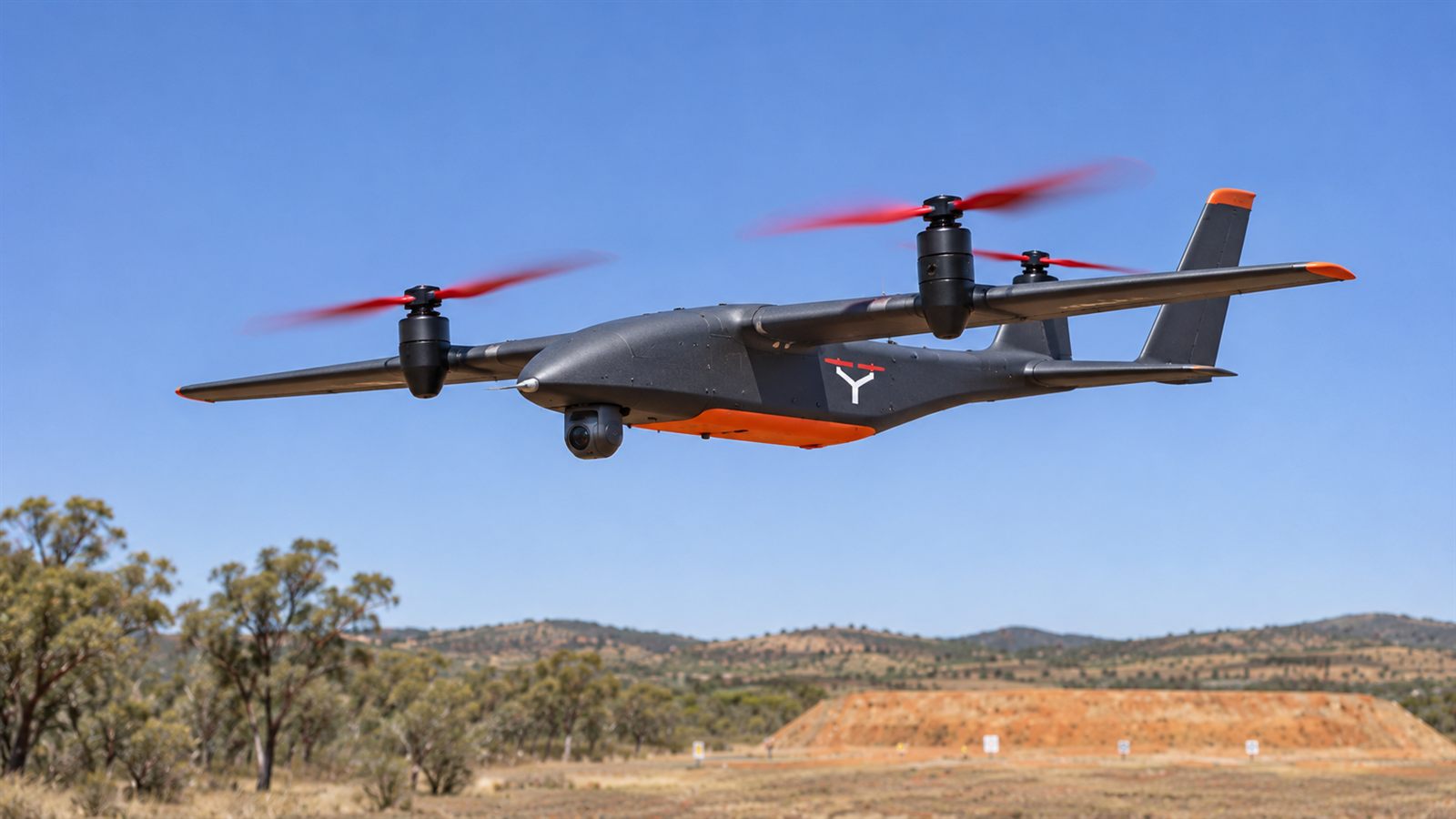 Concept · Lyrebird VTW-1 on the range
Vertical take-off and landing from a small clearing, then efficient forward flight for long loiters.
Searches, holds over a unit and cues attacks, the way a real reconnaissance drone does, with mission autonomy as it arrives.
Built to fly on every exercise and every range, as drone OPFOR or as the target in a trial.
The VTW-1's flight log records where it flew and where its camera was looking, minute by minute, to match against what the unit or the counter-UAS system saw and did.
Concept: the Lyrebird VTW-1 is in development; figures are indicative.
For long-range attack, the threat is the one-way attack drone, arriving low, fast and in numbers. The Lyrebird OWA-1 flies that run in, alone or in salvos, then turns away before the target.
Flies missions planned in Lyrebird Mission Software, by hand, from your own ground station or with mission autonomy. Every behaviour turns away before its target. Other Lyrebirds: Lyrebird UST-1 · Lyrebird FPV-1 · Lyrebird OWA-1.
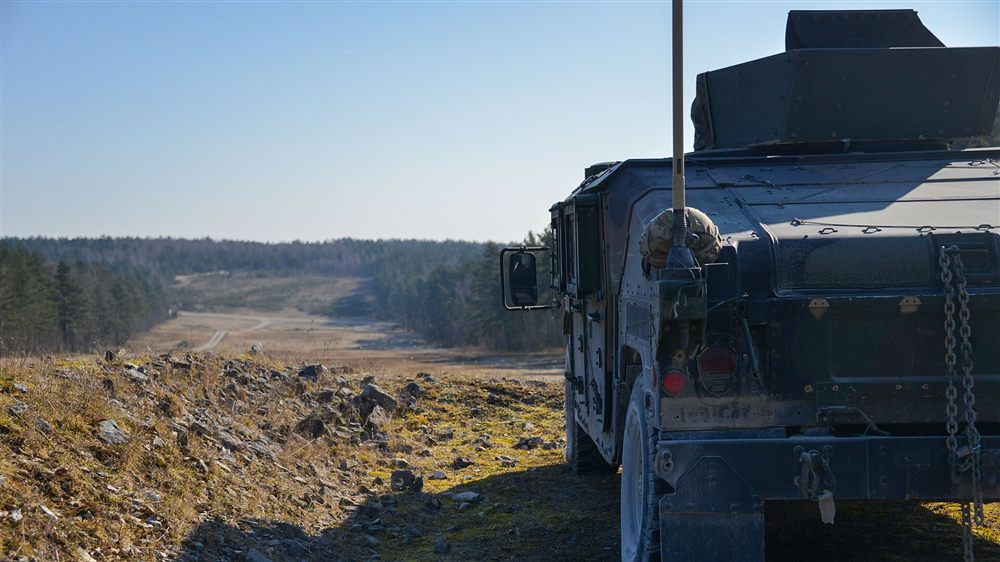 Photo: Spc. Israel Fernandez / U.S. Army National Guard (public domain), cropped
Tell us a little about your training or trials, and what you need to prove, and we'll set up a briefing.
Please don't send classified or sensitive site details by email.